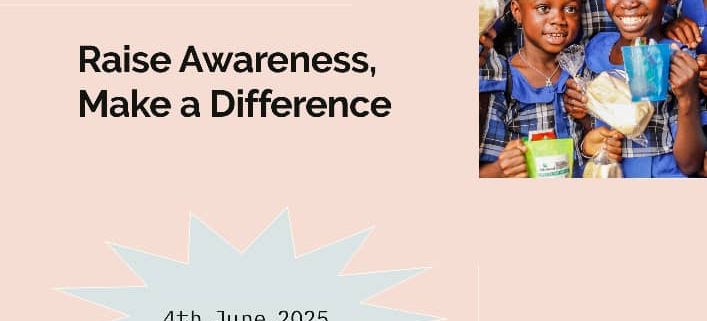
The suffering of innocent children at the hands of aggression is not a new tragedy. It is a heartbreaking reality that dates as far back as the birth of Christ, the Saviour of mankind. From that time until now, vulnerable children—particularly those forced to beg on the streets—continue to face aggression, discrimination, and dehumanization.

These children are often met with hostility instead of compassion. When they stretch out their hands for help, they are sometimes beaten or chased away, treated as if they are less than human, as if they have no dignity. This is a direct affront to their humanity and a shameful reflection of our society’s failure to protect the most vulnerable.

Some months ago, the Federal Capital Territory (FCT) Minister introduced a policy in Abuja that restricts the movement of street children. While no Nigerian child with fully functioning faculties should have to resort to street begging, the deeper issue lies in what alternatives the government has provided. Education and healthcare are not privileges—they are birthrights. Yet these children are left to survive on the kindness of strangers, without meaningful state intervention.


The piercing questions that haunts us at the Uche-Nnamani Vulnerable Children Foundation are these:

Is education not their birthright? Has the government created sustainable hope for their future? Is there moral justification for banning them from begging without creating sustainable hope for their future?

Do these restrictions not breed trauma, exclusion, and even resentment in their young hearts?

How many real, impactful rehabilitation programs has the government implemented for them?

Policies that merely banned them from begging without addressing the root causes of their vulnerability only deepen their suffering. They perpetuate aggression—not with fists, but with silence, neglect, and systemic exclusion.

On this day, as the world commemorates the International Day of Innocent Children Victims of Aggression, we at the Uche-Nnamani Vulnerable Children Foundation raise our voice in solidarity. To every vulnerable child on the streets of Nigeria, we say: You are not alone.


We see you.

We think of you.

We are building a world where your vulnerability will never again be a reason for exclusion.

We dream of a Nigeria where every child is given the tools to rise, to learn, to grow, and to thrive with dignity.


You matter. And we will never stop fighting for your right to be treated with humanity, justice, and love
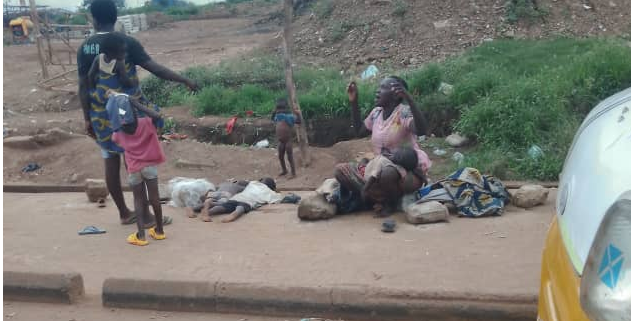
The culture of begging for survival among vulnerable children continues to rise, largely due to government policies that deepen poverty and widen the gap between the rich and the poor. These policies have consistently failed to address the urgent needs of children living on the streets, leaving them without shelter, education, or hope.

For many of these children, the street is not just a place they visit — it is their entire world. They sleep on benches, in open spaces, and navigate life through begging and scavenging. While a few kind-hearted individuals may offer occasional gifts or food, these acts only provide temporary relief. What is often ignored is the deeper issue: these children possess untapped talents — skills and potential that, if developed, could greatly contribute to the growth and transformation of Nigeria.

The question everyone must ask is: Are there untapped talents buried in these children? How can such talents be discovered, nurtured, and transformed into tools for national development?

Leaving these talents undeveloped and neglected will not only waste human potential but also breed future social problems. When society turns a blind eye, these children become vulnerable to recruitment by criminal gangs, cults, and extremist groups. If they are initiated into such dangerous paths due to neglect, can we truly say our society is safe? Will this not fuel insecurity and instability across Nigeria?


The lives of these children are a reflection of a systemic failure — but they can also become a beacon of national redemption if we act now. Investing in their future is not charity; it is a necessity for a secure, productive, and inclusive Nigeria.

In many parts of Nigeria—especially in the South-East—menstruation remains a taboo topic. It is considered sacred and often shrouded in secrecy, particularly from young girls. Many parents still believe that discussing menstruation with their daughters might lead to early sexual curiosity or promiscuity. This belief, however, is far from the truth. Instead, this silence leaves many girls unprepared, scared, and vulnerable.

During the course of writing this message, a young woman shared her personal experience with me. She recalled the fear and confusion she felt the first time she menstruated. Believing she had an internal injury, she ran to her mother in tears. Only then did her mother explain what menstruation was. Though relieved, she expressed how different it could have been if she had known in advance.

Now imagine the thousands of vulnerable girls living on the streets across Nigeria. Who will they run to when they menstruate? Who will provide them with pads—or even alternative hygienic materials? Who will educate them on menstrual hygiene and guide them through this important stage of their development?

Have they ever been taught what menstruation truly is?

How many of them suffer silently, dealing with infections and discomfort simply because they do not know what to do?

These questions are not just rhetorical—they are urgent. They are why the Uche-Nnamani Vulnerable Children Foundation has decided to take action today, in commemoration of World Menstrual Hygiene Day.

We recognize that the lack of menstrual education and support has left too many girls unprepared and uninformed. It has confined them to a cycle of poor hygiene, stigma, and avoidable health challenges. Through deep reflection and commitment, we have developed a plan to help end this unjust reality for vulnerable girls.

Today, we stand with every girl who has ever felt afraid, ashamed, or unsupported during her period. We are committed to breaking the silence, providing education, and ensuring that no girl is left alone in her menstrual journey—especially those most at risk.


Let us give our girls the dignity they deserve.

 By: Uche-nnamani

Executive Director

*Uche-Nnamani Vulnerable Children Foundation*